
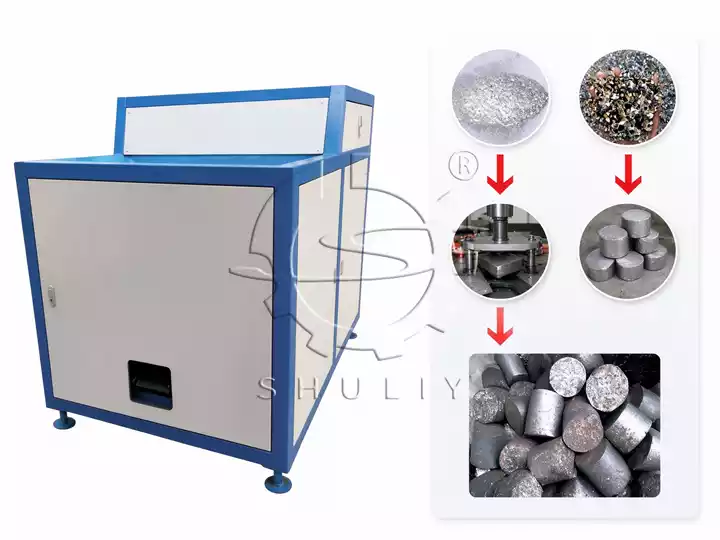
Foundries and metal machining shops constantly face one painful cost: high burning loss during smelting loose metal chips. Scattered iron, aluminum, copper shavings trap air, oil and oxidation impurities.
Once fed directly into furnaces, they burn excessively, lower metal yield and eat up your profit. A hydraulic metal briquette press turns messy loose scraps into dense solid briquettes, and this simple upgrade makes a clear difference to your smelting efficiency.
What Causes High Burning Loss With Loose Metal Chips?
Before understanding how the hydraulic metal briquette press helps, it is necessary to see the root causes of metal loss:
- Large air gaps between scattered shavings lead to rapid oxidation under high furnace temperature.
- Cutting oil, coolant and attached dust increase smoke, slag and extra burning.
- Light, fluffy chips float on the molten surface and easily burn away instead of melting into the bath.
- Low bulk density means you spend more fuel to heat the same amount of usable metal.
Many workshops try manual compaction, but it cannot reach the stable density produced by a hydraulic metal briquette press.
How A Hydraulic Metal Briquette Press Reduces Smelting Loss?
The core advantage of this machine lies in high-pressure compression. Here are its key benefits:
- Eliminate air pockets inside raw scraps: Under strong hydraulic pressure, metal chips are squeezed tightly. Less trapped air directly slows oxidation, which is the main source of burning loss.
- Squeeze out residual cutting fluid: Most hydraulic metal briquette press models come with drainage structures. Extra oil and coolant are separated before smelting, reducing smoke and secondary combustion inside the furnace.
- Higher density briquettes sink steadily: Dense briquettes drop quickly into molten metal instead of floating. They melt evenly and reduce the chance of surface burn-off.
- Stable feeding for consistent smelting: Uniform briquette size helps furnace operators control feeding speed. Stable feeding avoids sudden temperature drops or local overheating that waste metal materials.
Realistic Data Foundries Can Expect
The exact saving rate depends on metal type, original scrap condition and furnace design. In most practical cases:
- Aluminum scrap: burning loss can drop by 3% to 7% after briquetting.
- Iron and steel chips: typical loss reduction ranges from 2% to 5%.
- Copper and brass: users usually see obvious yield improvement while cutting slag output.
These percentages look small, yet they create huge savings for factories processing tons of metal scraps every month. You can compare the yield before and after introducing the hydraulic metal briquette press to calculate your ROI.
Practical Tips To Maximize The Effect
Even with good equipment, improper operation will limit the performance of your hydraulic metal briquette press recycling machine. Follow these tips:
- Sort different metals separately; mixed materials create unstable briquettes and poor smelting results.
- Pre-remove large debris such as plastic, rubber and stone before feeding.
- Adjust pressure according to metal material: aluminum needs lower pressure, while steel chips require higher pressure.
- Collect drained cutting liquid for recycling to add another income stream.
Is It Suitable For Your Workshop?
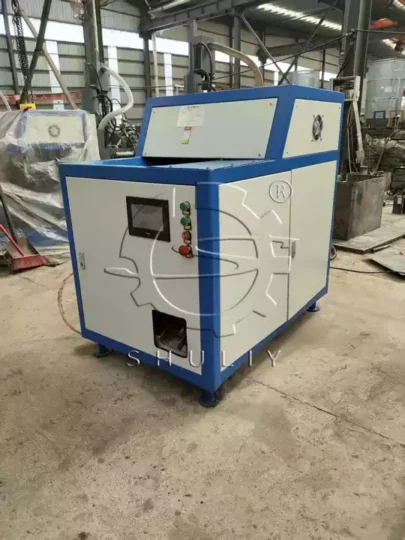
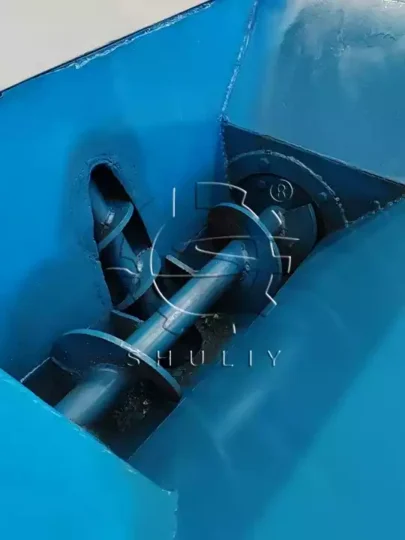
A hydraulic metal briquette press works best for foundries, CNC machining factories, auto repair recycling yards and metal scrap dealers. If your daily scrap output is low, the return cycle will be longer. If you process more than several tons of metal chips weekly, this machine is worth serious consideration.
Final Words
Burning loss is not an unavoidable fixed cost for metal smelting. By compacting loose scraps with a hydraulic metal briquette press, you cut oxidation, reduce slag, raise final metal yield and make every ton of scrap more valuable. For foundries chasing stable production and better profit margins, briquetting is one of the most practical upgrades.