
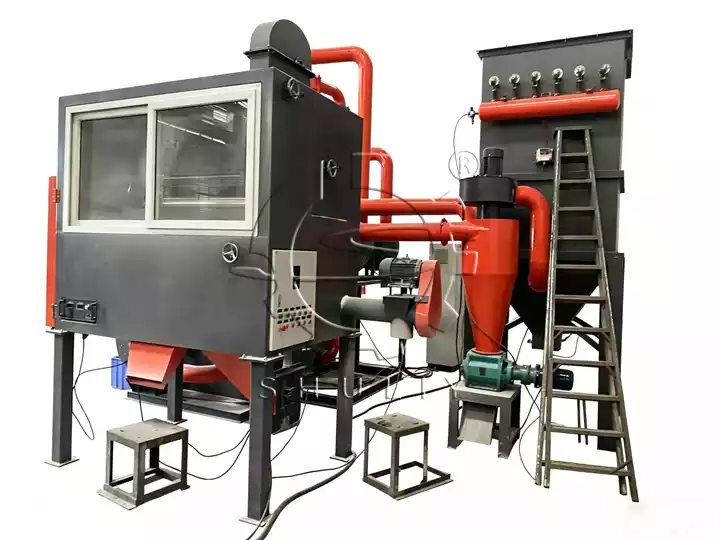
An electrostatic separator is an advanced piece of equipment that achieves high-precision sorting based on differences in material conductivity. It is widely used in the separation of aluminium and plastic, copper and plastic, and the fine sorting of various complex mixed materials.
The equipment operates within a high-voltage, sealed electric field environment. Through corona discharge and electrostatic adsorption, it achieves efficient separation of materials with different conductivity levels. It is particularly suitable for the recycling and processing of aluminium-plastic composites, shredded wire and cable, and electronic waste.
Electrostatic separators have a processing capacity ranging from 200 to 500 kg/h, with power ratings varying between 3.6 and 5.5 kW. In actual production, they are frequently employed as high-precision sorting equipment, significantly enhancing the purity of aluminium-plastic and copper-plastic separation, thereby increasing the economic and recycling value of the recovered materials.
applications of the Electrostatic sorting machine
- Aluminium-plastic separation: aluminium-plastic composite panels, flexible packaging, aluminium-plastic tablet packaging, bottle caps, aluminium-plastic electrical wires, etc.
- Copper-plastic separation: electrical wires and cables, scrap circuit boards, copper-plastic pipes and offcuts.
- Industrial recycling: fine sorting of electronic waste.
- Mineral and powder processing: metal ore sorting, fly ash decarbonisation, and metal recovery from furnace slag.
- Agricultural and light industrial sorting: separation of tea leaves from tea stems, flaxseed kernels from husks, and hair impurities.
- Aggregate and light waste sorting: separation of plastic from sand.
electrostatic separator machine Structural Features
- Features a sealed high-voltage electric field structure, ensuring safety and stability.
- The corona discharge system utilises stainless steel materials and a specially designed electrode configuration.
- The electric field strength remains stable, ensuring long-term continuous operation.
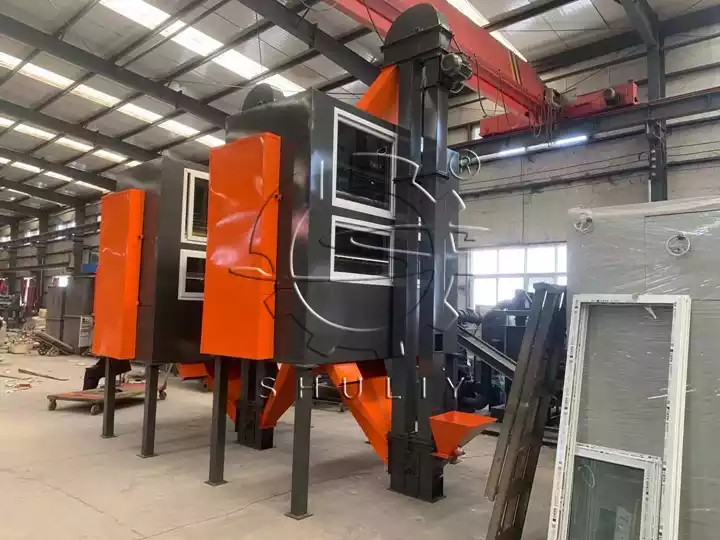
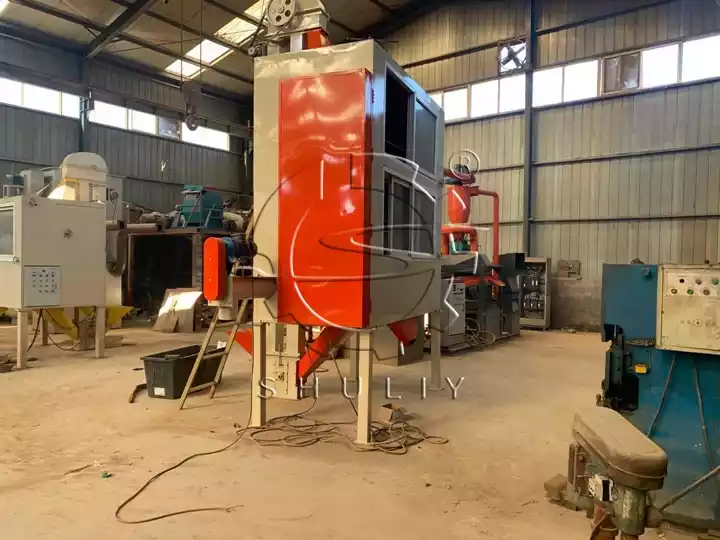
- The compact design makes it suitable for integration into production lines.
- Modular design for easy maintenance.
- Suitable for a wide range of complex material sorting requirements.
Advantages of Electrostatic separating machine
- High sorting accuracy: achieves precise separation based on the electrical conductivity of materials.
- Wide range of applications: covers metals, non-metals and light agricultural waste.
- High stability: reliable operation thanks to the high-voltage electric field structure.
- High degree of automation: suitable for continuous production lines.
- Energy-efficient and high-performance: high processing capacity achieved with low power consumption.
- Enhanced recovery value: improves the purity of metal and plastic separation.
Operation Principle of electrostatic sorter
The electrostatic separator utilises the differences in electrical conductivity between various materials, causing them to behave differently under the influence of a high-voltage electric field.
- When the mixed material enters the electric field, the more conductive metal particles are rapidly attracted to the electrodes and deflected towards the metal collection area.
- Non-conductive materials, meanwhile, are guided by gravity and mechanical conveyance into the discharge system on the opposite side, thereby achieving highly efficient separation.
By adjusting the voltage, electrode spacing and feed rate, the system can adapt to the characteristics of different materials, ensuring stable and controllable sorting results.
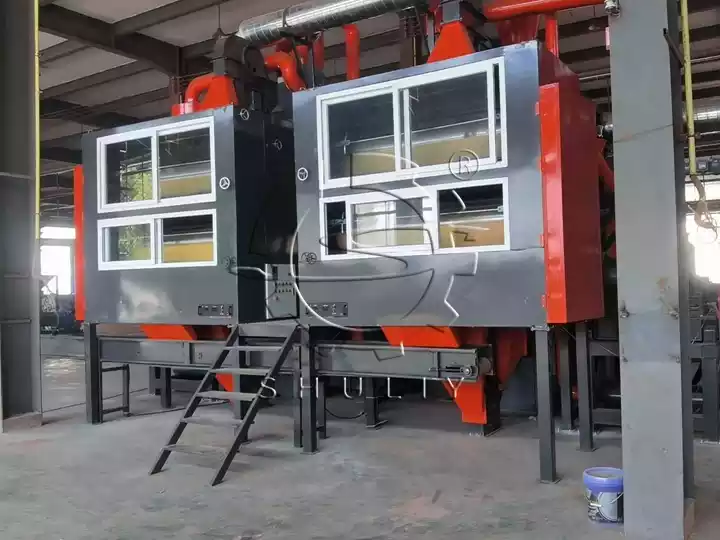
electrostatic separator technical Specifications
| Model | Power | Capacity |
| SL-1200 | 3.6 kW | 200–300 kg/h |
| SL-1500 | 4.5 kW | 300–400 kg/h |
| SL-1800 | 5.5 kW | 400–500 kg/h |
Machinery Shipment Showcase
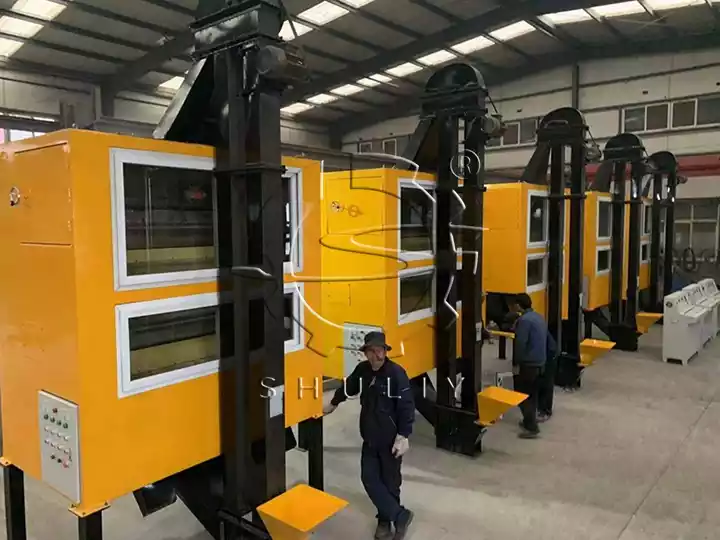
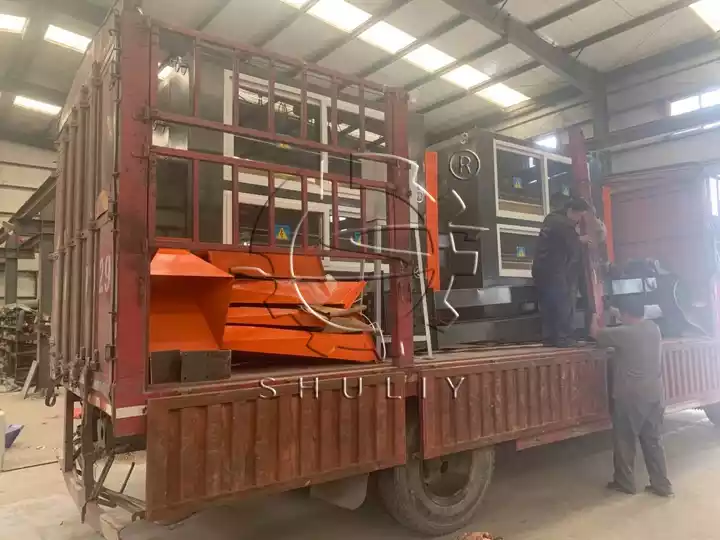
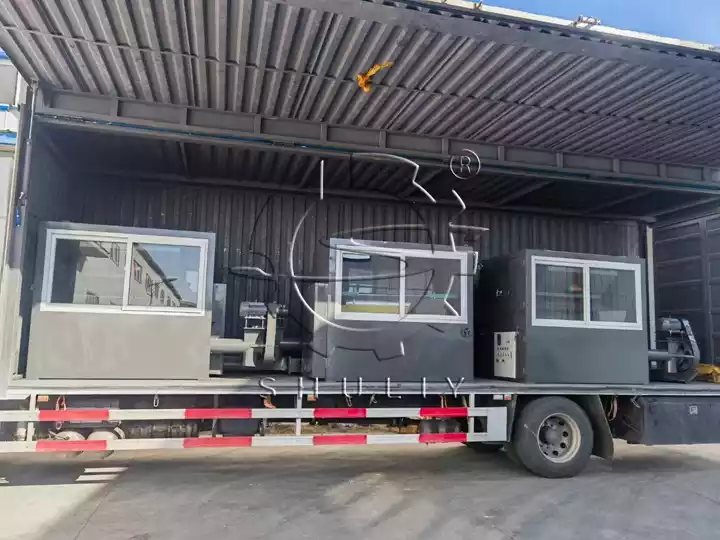
Our electrostatic separators have been widely exported to numerous countries and regions, including Nigeria, Pakistan, Indonesia, Vietnam, Egypt, Brazil and South Africa.
The equipment is typically shipped as complete units or as part of production lines (such as circuit board recycling lines or aluminium-plastic pharmaceutical packaging separation lines). It is widely used in the local recycling industry.
FAQ
What is the working principle of the electrostatic separator?
It separates materials based on differences in electrical conductivity under a high-voltage electric field, achieving metal and non-metal separation.
What typical materials can this machine process?
It is mainly used for aluminum-plastic composites, copper-plastic mixtures, waste wire and cable granules, and electronic waste materials.
Is there any particle size requirement for the feed material?
Yes, the material should be properly crushed and screened. Uniform particle size improves separation efficiency and stability.
Does the separation process require any chemical additives?
No, the entire process is purely physical separation without any chemical agents, making it environmentally friendly and safe.
Is the machine stable during operation, and does it require frequent adjustment?
The machine runs stably. Only minor adjustments such as voltage, electrode spacing, and feeding speed are needed according to different materials.
Can it be used as a standalone machine or must it be part of a production line?
It can be used either as a standalone unit or integrated into a complete recycling line with crushers and conveying systems.