
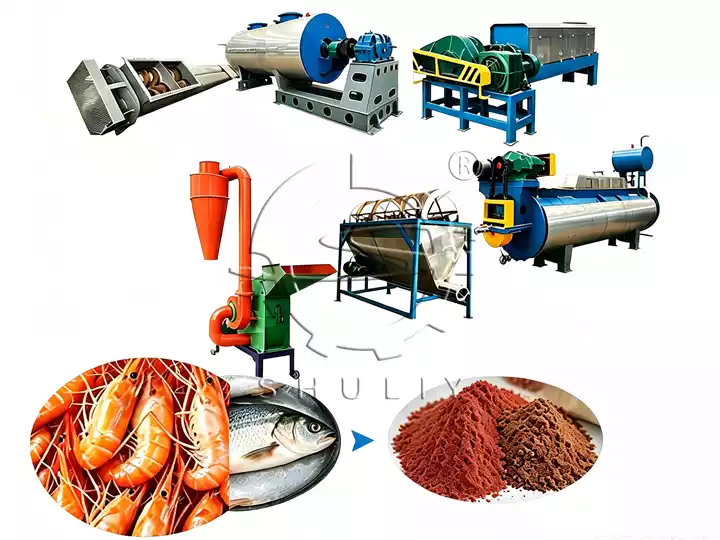
The fish meal production line is a highly efficient, integrated processing system designed for the resource recovery of aquatic waste. It is primarily intended for aquaculture processing plants, fish farming facilities, and animal protein recovery enterprises. The system is capable of continuously processing raw materials such as fresh fish, fish heads and bones, fish offal, and shrimp by-products.
The entire production line integrates crushing, steaming, pressing, drying, screening, grinding, and packaging into a single system with a high degree of automation. Single-line production capacity ranges from 250 kg/h to 10 t/h, with a daily output of 1–250 tons or more. The finished fish meal has a protein content of over 60%, a fish oil extraction rate of approximately 5%–8%, and a comprehensive fish meal yield of about 18%–25%, offering significant economic recovery value.
The equipment features a stainless steel and wear-resistant alloy structure, complemented by low-temperature energy-saving and exhaust gas purification systems. This design effectively reduces energy consumption and pollution emissions while ensuring production output, meeting modern green and environmentally friendly production requirements.
Introduction to Fish Meal (Raw Materials and Finished Products)
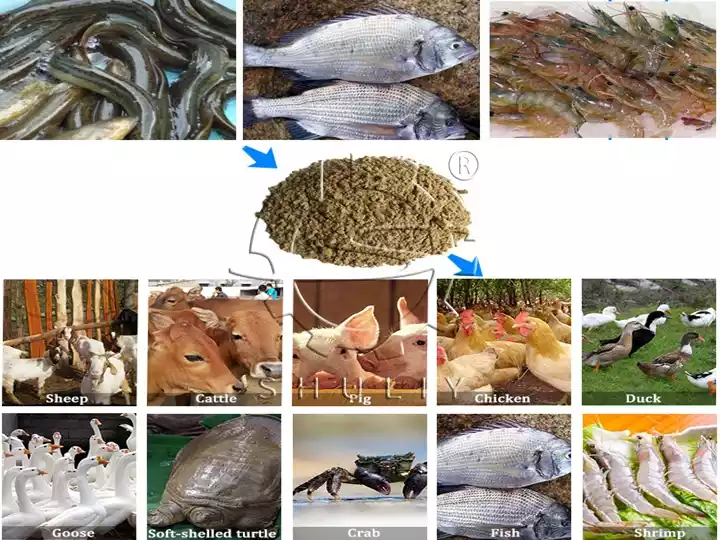
The primary raw materials for fish meal include: fresh fish, small and miscellaneous fish, fish heads, fish bones, fish offal, and other high-protein byproducts from seafood processing.
After processing through the production line, two core products are obtained:
- Finished Fish Meal: a high-protein feed ingredient with a protein content of ≥60% and moisture content of ≤10%.
- Finished Fish Oil: can be further refined for use in the feed, pharmaceutical, and chemical industries.
This process enables the high-value utilization of aquatic waste, improving resource utilization and corporate profitability.
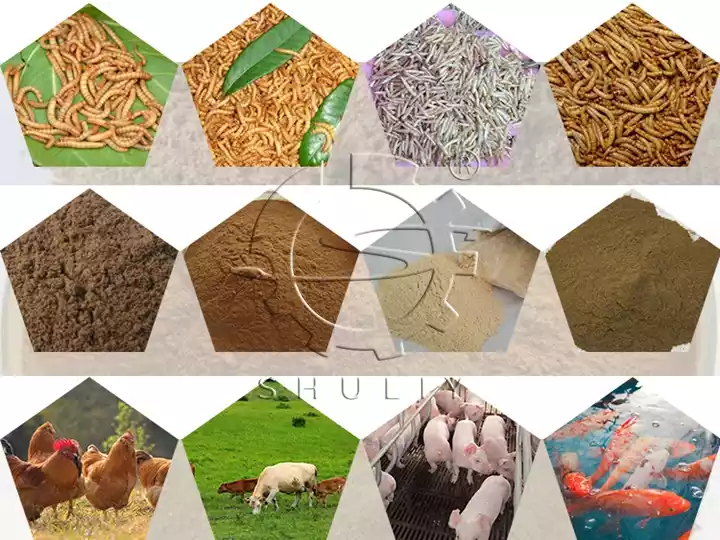
Applications of the Fish Meal Production Line
This production line is suitable for a variety of industry applications:
- Seafood processing companies (processing of fish by-products)
- Feed mills (production of high-protein raw materials)
- Aquaculture farms (production of feed ingredients)
- Animal protein recovery companies (resource recycling projects)
It is particularly well-suited for coastal regions and areas rich in aquatic resources, where it can significantly reduce raw material costs.
fish meal manufacturing plant Key Advantages
- Flexible production capacity: 250 kg/h to 10 t/h, with multiple specifications available and customization supported.
- Energy-efficient and high-performance: low-temperature drying technology reduces energy consumption by approximately 30%.
- High yield: fish meal yield of 18%–25%, fish oil yield of 5%–8%.
- High automation: continuous operation throughout the entire process, requiring minimal manual labor.
- Environmental compliance: multi-stage exhaust gas treatment system meets environmental assessment requirements.
- Durable construction: 304 stainless steel and wear-resistant alloy, suitable for high-oil and high-humidity environments.
fish meal Production Line Processing Flow
The entire fish meal production line is designed as a continuous, automated, closed-loop process. The various pieces of equipment are seamlessly connected via a screw conveyor system, enabling fully integrated operation from raw material input to finished product packaging.
The entire processing process focuses not only on production efficiency but also on protein retention, oil recovery, and environmental emission control.
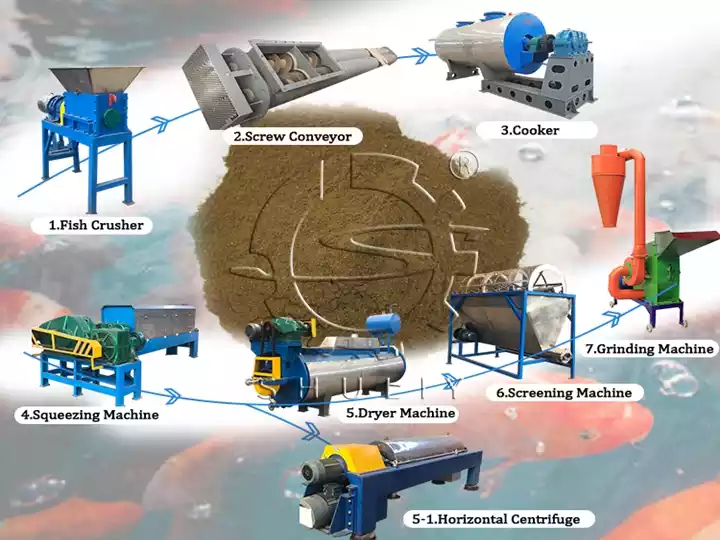
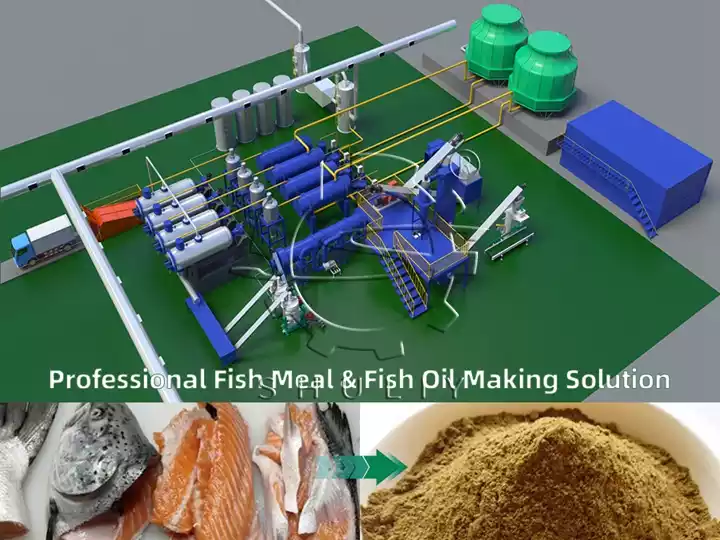
Raw Material Crushing (Pre-processing Stage)
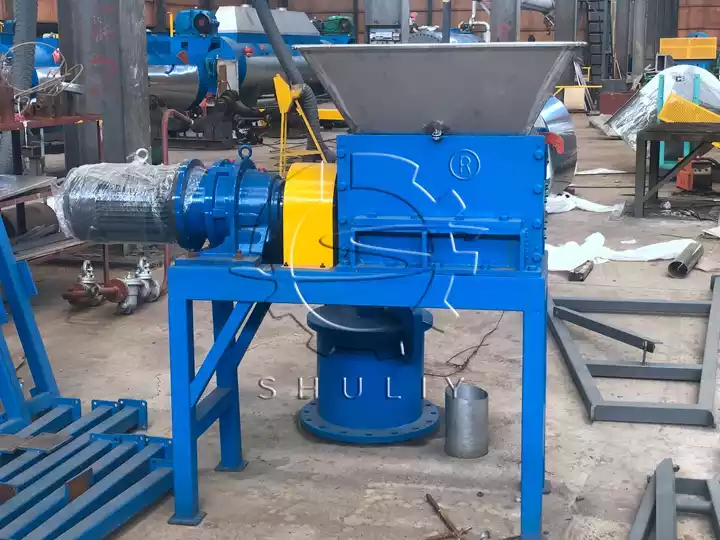
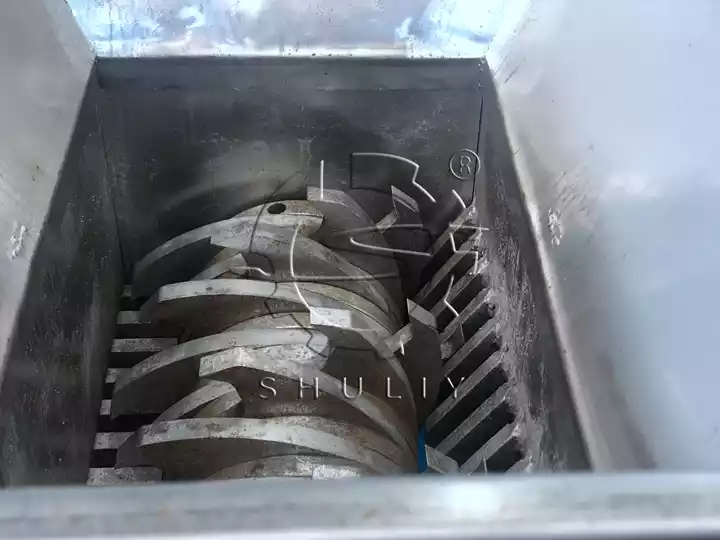
Fresh fish, fish heads, fish bones, and aquatic by-products first enter the shredder system for pre-processing. The primary purpose of this process is to reduce particle size, break down tissue structure, and improve heat transfer efficiency, thereby creating conditions for uniform heating during the subsequent steaming process.
The particle size of the ground material is typically controlled at ≤5 mm, which significantly improves the uniformity of cooking and gelatinization. At the same time, it reduces the load on subsequent pressing operations and increases overall powder yield.
| المعلمة | Value |
|---|---|
| سعة | 500–1000 kg/h |
| قوة | 5.5 كيلوواط |
| المادة | SUS304 + 40Cr blades |
| حجم الإخراج | ≤5 mm |
| وزن | 300 kg |
Steaming and Maturation
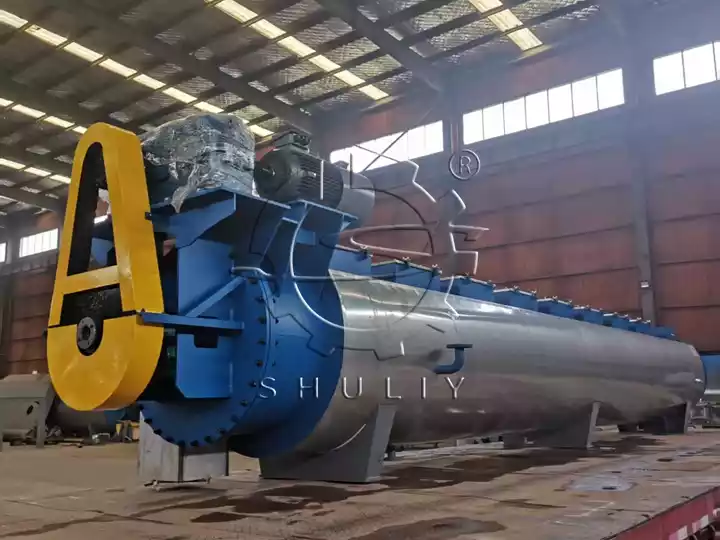
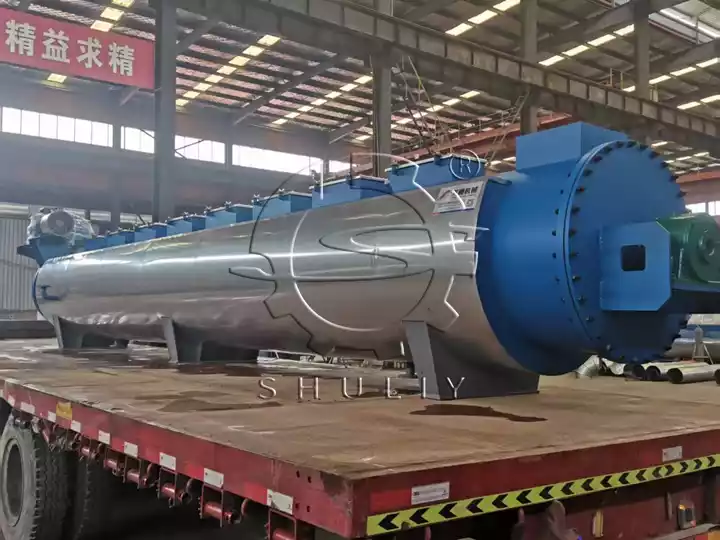
The crushed raw material enters the steamer, where it undergoes continuous steaming at 150–160°C in a sealed steam environment for approximately 20 minutes.
This stage primarily facilitates three key reactions:
- Thermal denaturation and coagulation of proteins, improving subsequent pressing efficiency.
- Killing bacteria and microorganisms, extending product shelf life.
- Releasing some of the fat, increasing fish oil extraction yield.
The equipment utilizes a jacketed heating system combined with a screw-conveyor structure to ensure uniform heating of the material within the cylinder. This prevents localized scorching or overcooking, thereby maximizing the retention of amino acids and nutrients.
| نموذج | السعة (طن/س) | Diameter (mm) | Length (mm) | الطاقة (كيلوواط) |
|---|---|---|---|---|
| LZ400 | 1.5 | 400 | 6000 | 2.2–3 |
| LZ500 | 2.5 | 500 | 6000 | 3–4 |
| LZ600 | 4.0 | 600 | 7000 | 4–5.5 |
| LZ700 | 5.5 | 700 | 8000 | 6 |
| LZ800 | 7.5 | 800 | 8000 | 8–11 |
Screw Press Dehydration and Defatting
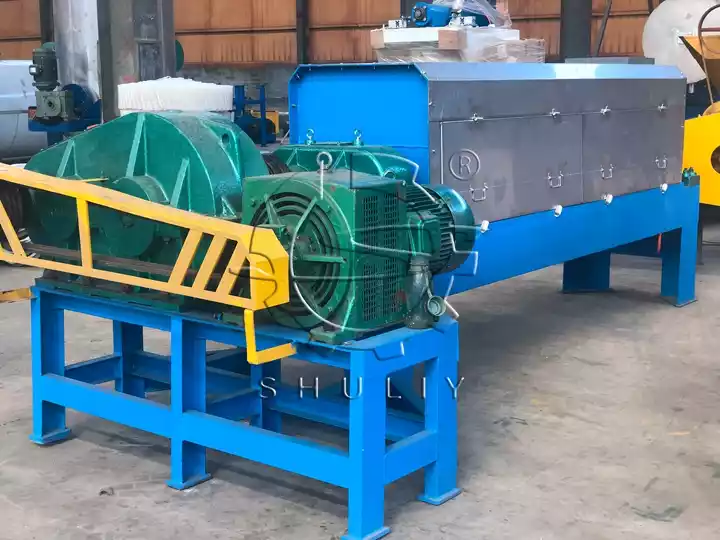
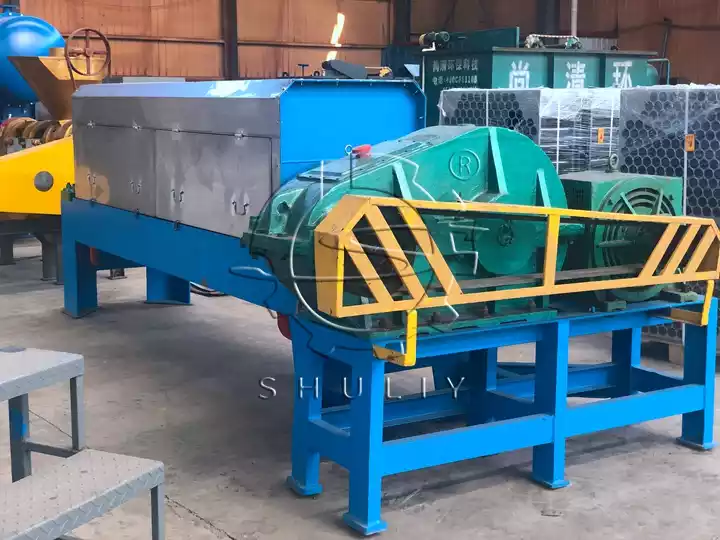
The conditioned material enters the screw press, where high-intensity mechanical compression achieves solid-liquid separation and oil extraction.
During the pressing process:
- Moisture is rapidly squeezed out, forming a mixture of wet steam and liquid.
- Oil is extracted along with the liquid and enters the oil-water system.
- The solid portion forms “wet fish meal base.”
The counter-rotating design of the twin-screw model effectively prevents material slippage and blockages, resulting in higher dewatering efficiency and more thorough pressing. This stage directly determines the final moisture content and yield of the fish meal, making it the core and critical process of the entire fish meal production line.
| نموذج | السعة (طن/س) | Size (mm) | الطاقة (كيلوواط) |
|---|---|---|---|
| LY300 | 1.5 | 300×1600 | 15 |
| LY400 | 2.0 | 400×1800 | 18.5 |
| LY500 | 3.0 | 500×2000 | 22 |
| LY300-2 | 6.0 | 300×3600 | 30 |
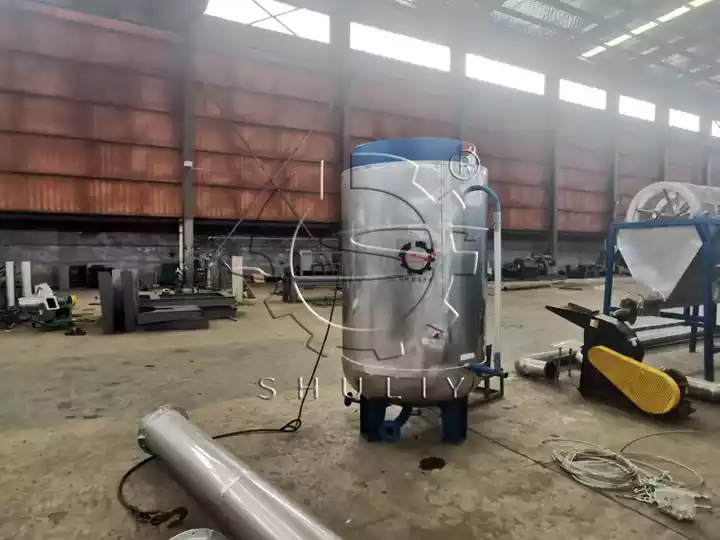
Oil-Water Separation
The oil-water mixture produced by pressing enters a three-phase separation system for the separation of oil, water, and solid residues.
The process includes:
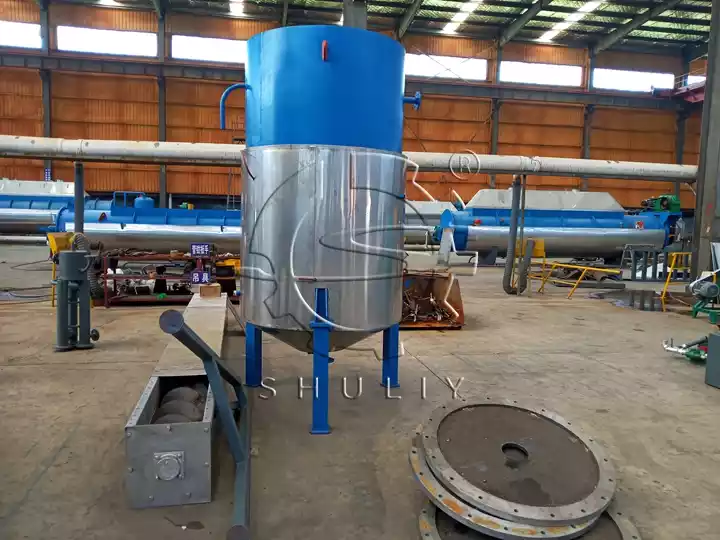
- Primary sedimentation in a static oil-water separation tank.
- High-speed precision separation in a horizontal three-phase centrifuge.
- Production of crude fish oil, wastewater, and trace amounts of solid residue.
The separated fish oil can then proceed to a refining system for use in feed additives, industrial oils, and the development of high-value-added products, maximizing the utilization of the raw material’s value.
Low-Temperature Steam Drying
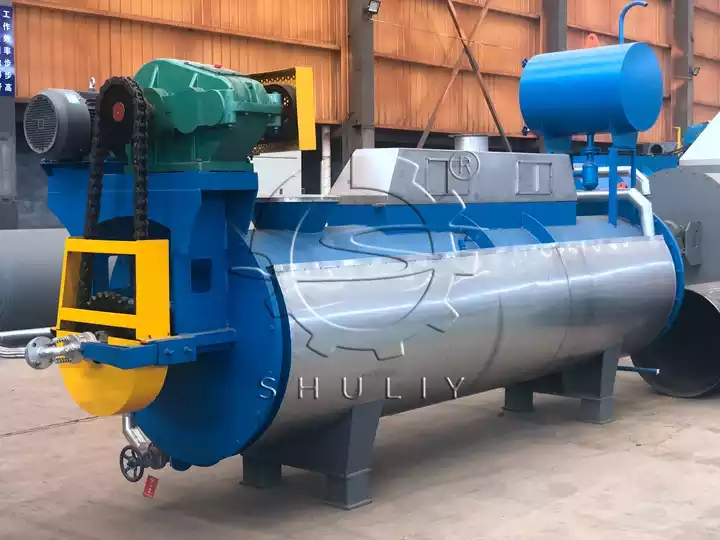
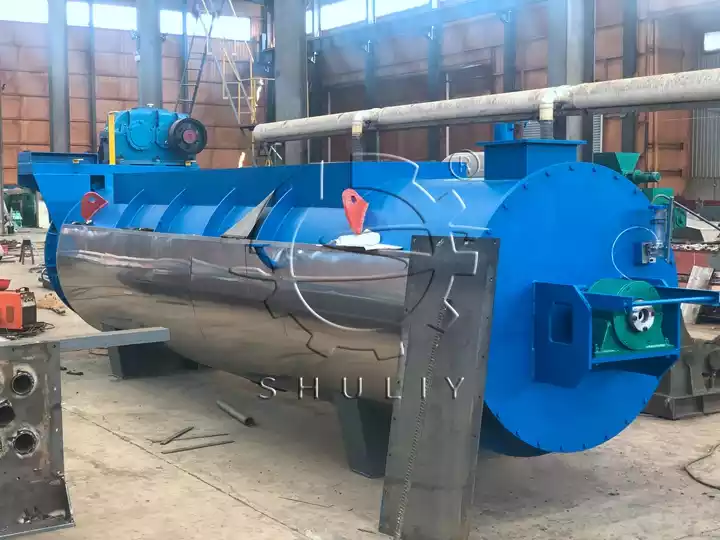
The dehydrated wet fish meal enters the steam dryer for continuous drying. Through a combination of jacket steam heating and a main shaft stirring mechanism, the material is heated uniformly in a closed environment.
The core objectives of this stage are:
- To rapidly reduce the moisture content to ≤10%.
- To prevent high-temperature carbonization and protect the protein structure.
- To improve the storage stability of the finished product.
Additionally, an automatic material distribution system is installed inside the equipment to prevent material from sticking to the walls or clumping. This ensures more uniform and stable drying while effectively reducing energy consumption.
| نموذج | Diameter (mm) | السعة (طن/س) | الطاقة (كيلوواط) |
|---|---|---|---|
| LH1200 | 1200×6000 | 0.8 | 22 |
| LH1400 | 1400×7000 | 1.4 | 11 |
| LH1600 | 1600×7000 | 2.2 | 22 |
| LH2000 | 2000×7000 | 3.0 | 30 |
Cooling and Screening + Secondary Grinding
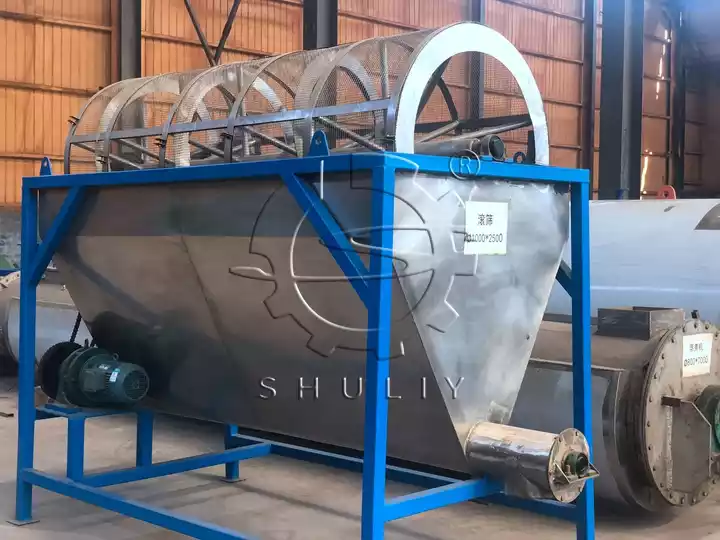
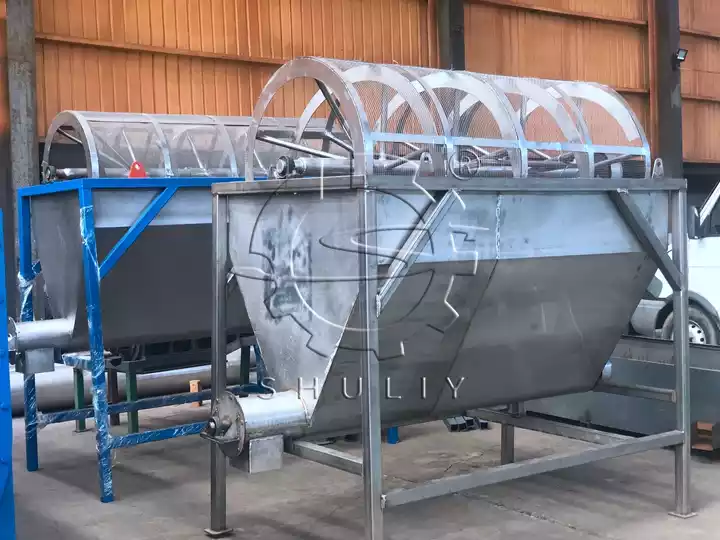
After being dried at high temperatures, the fish meal enters the cooling and screening system for temperature control and particle size classification.
This stage primarily includes:
- Natural or forced-air cooling to prevent caking.
- Screening and grading by particle size (standard ≤3mm).
- Returning large particles to the grinding system for secondary processing.
This process ensures that the final fish meal particles are uniform and free-flowing, meeting the standards of various feed mills and enhancing market adaptability and sales value.
| المعلمة | Value |
|---|---|
| Screen Size | 5 mm |
| المادة | SUS304 |
| Function | Cooling + grading |
| سعة | 1–5 t/h |
Automatic Weighing and Packaging
Qualified fish meal enters the fully automated packaging system for precise weighing and bag sealing.
The packaging process features the following characteristics:
- The automatic weighing system ensures precise weight for each bag.
- Packaging specifications ranging from 5 to 50 kg can be set.
- Supports brand customization and anti-counterfeiting printing.
- High-speed continuous packaging improves shipping efficiency.
Packaged fish meal can be directly stored in the warehouse or loaded onto trucks for shipment, achieving fully automated operations throughout the entire fish meal production line process.
| المعلمة | Value |
|---|---|
| نموذج | TZ-DGS-50F |
| Packing Range | 5–50 kg |
| Accuracy | ±0.2%–0.5% |
| سرعة | 3–8 bags/min |
| قوة | 2.6 kW |
Centralized Exhaust Gas Treatment
Warm, moist gases, oil fumes, and odors generated throughout the production process are collected via a negative pressure system and directed into a multi-stage purification unit.
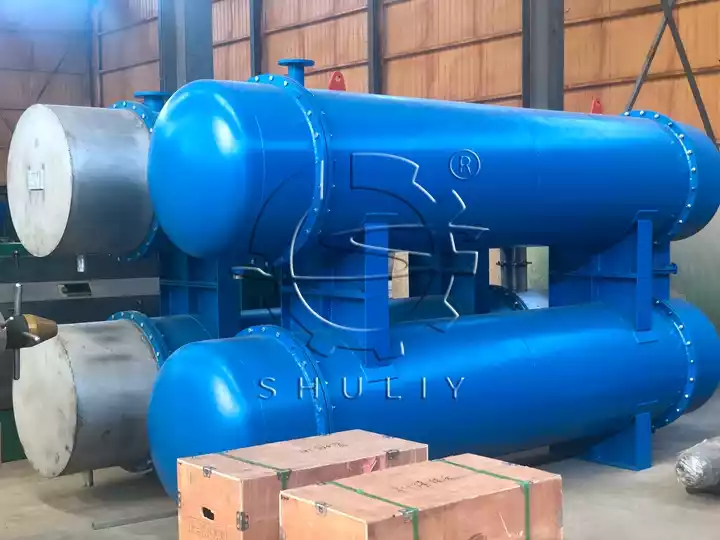
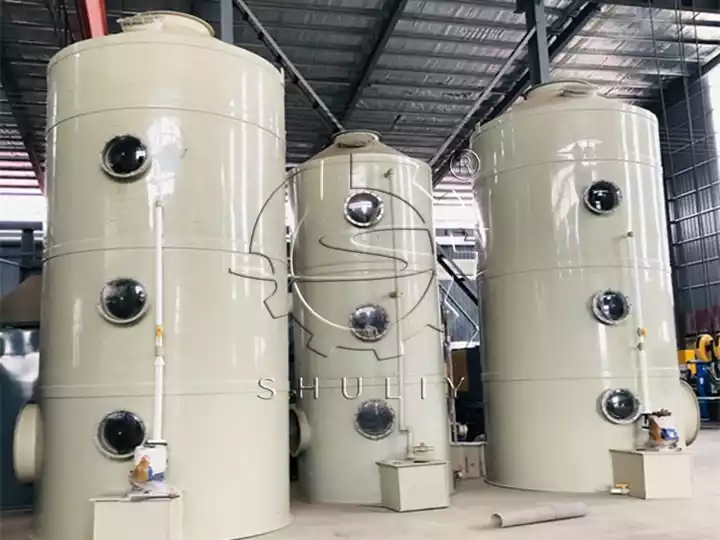
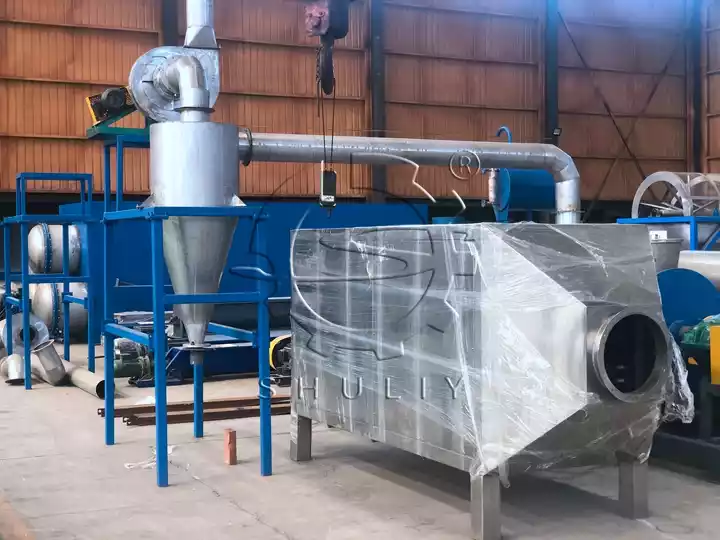
The treatment process is as follows:
Condensation dehumidification → Spray scrubbing → UV photolysis → Discharge in compliance with standards
This system effectively removes:
- Organic amine odors
- Malodorous gases such as hydrogen sulfide
- Fine dust particles
It ensures that the production process complies with environmental emission standards and is suitable for regions with strict environmental regulations.
Projects and Export Cases
We have specialized in the R&D of fish meal and animal protein recovery equipment for many years. Our fish meal production line products have been successfully exported to more than 20 countries and regions, including Russia, Pakistan, Turkey, Chile, Libya, the Philippines, and Bulgaria. They have been operating reliably in numerous overseas projects and have earned widespread recognition from our customers.
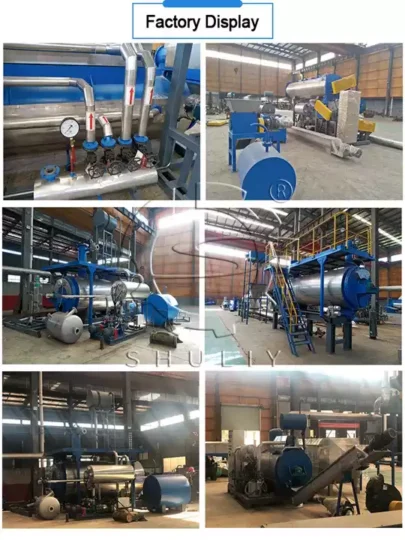
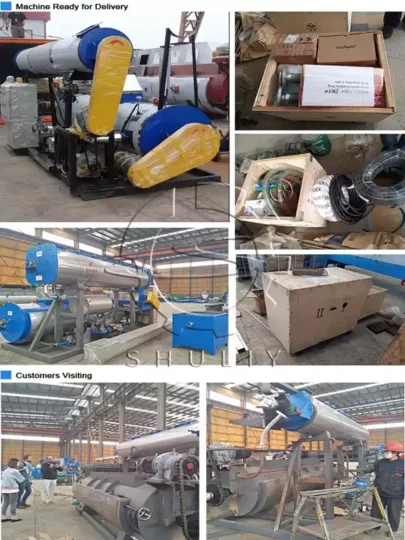
If you are looking for a high-efficiency, energy-saving fish meal production line or a solution for processing aquaculture waste, please feel free to contact us at any time. We can provide turnkey design, equipment configuration, and customized solutions based on your raw material type, production capacity requirements, and facility conditions.