
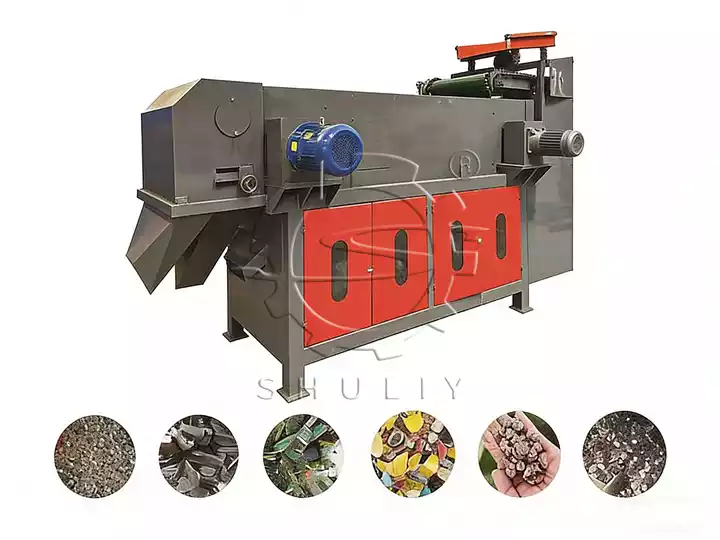
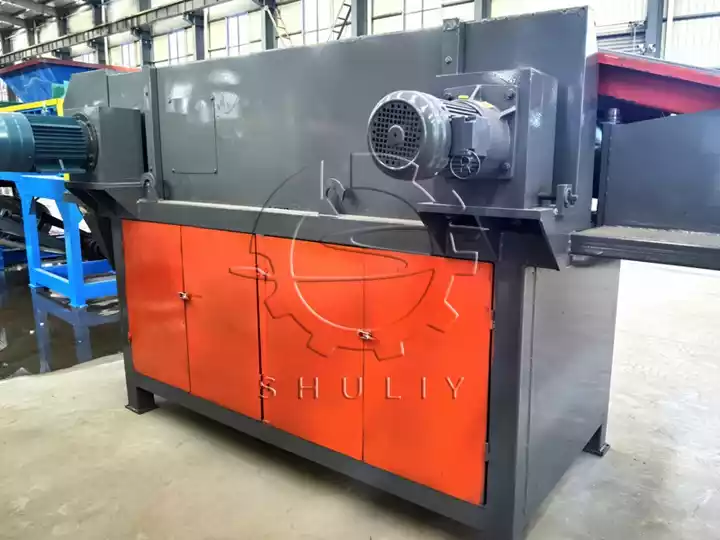
The eddy current separator is specifically designed for the separation of non-ferrous metals and is widely used in the fields of scrap recycling and environmental treatment. By utilizing the eddy current effect generated by a high-speed rotating magnetic roller, they can efficiently separate non-ferrous metals such as copper, aluminum, and stainless steel.
The equipment features an intelligent touchscreen control system and variable-frequency speed regulation technology. Depending on the model, processing capacity ranges from 4 to 15 tons per hour. By optimally matching material particle size with magnetic roller speed, sorting performance is significantly enhanced, enabling efficient resource recycling.
applications of the eddy current separator
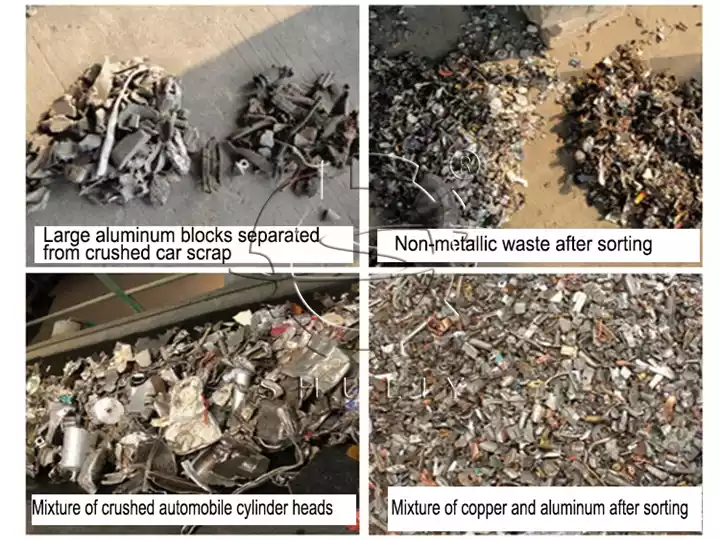
- Recycling and sorting of scrap copper and aluminum power cables.
- Automotive dismantling and processing of electric vehicle shredded materials.
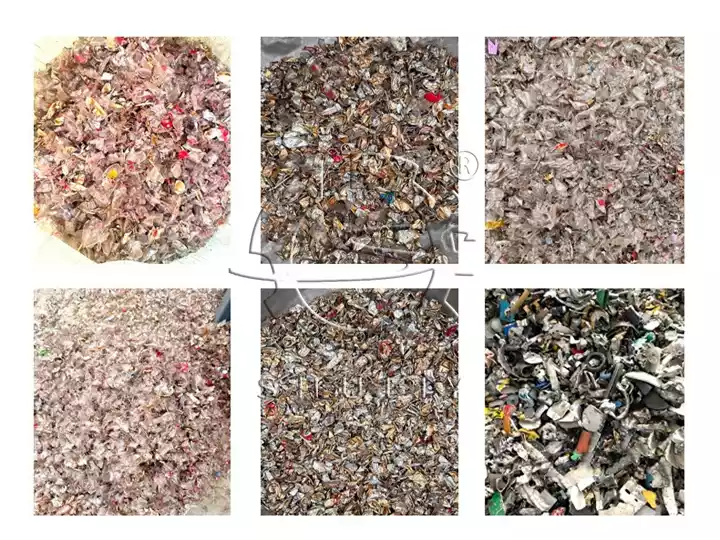
- Recycling of shredded home appliances and electronic waste.
- Processing of shredded circuit boards and metal-containing glass waste.
- Recovery of metal slag from waste incineration.
- Sorting of multi-metal mixtures (Copper, Aluminum, Zinc).
- Separation of plastic-metal mixed materials.
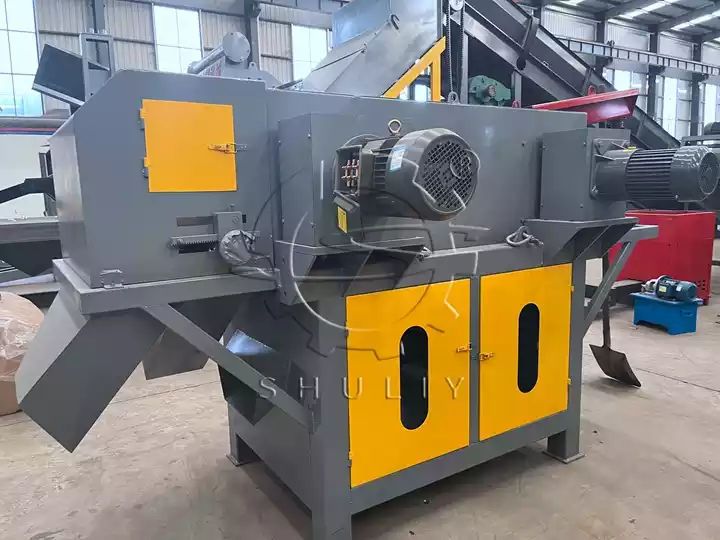
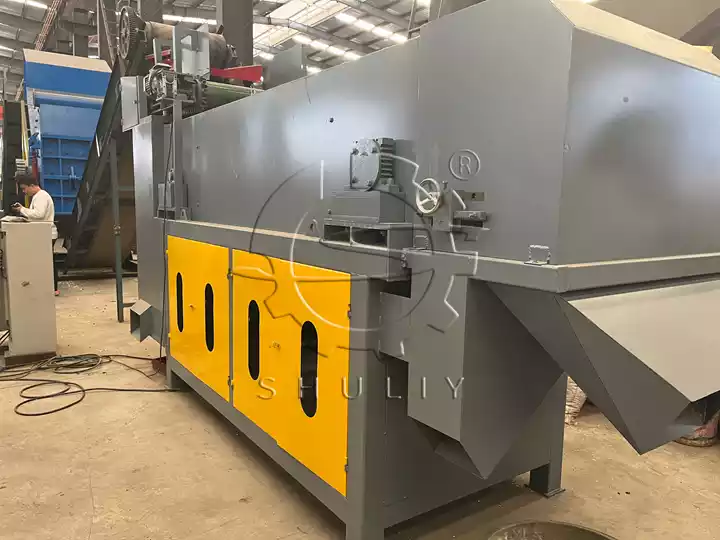
Non ferrous metal separator Structural Features
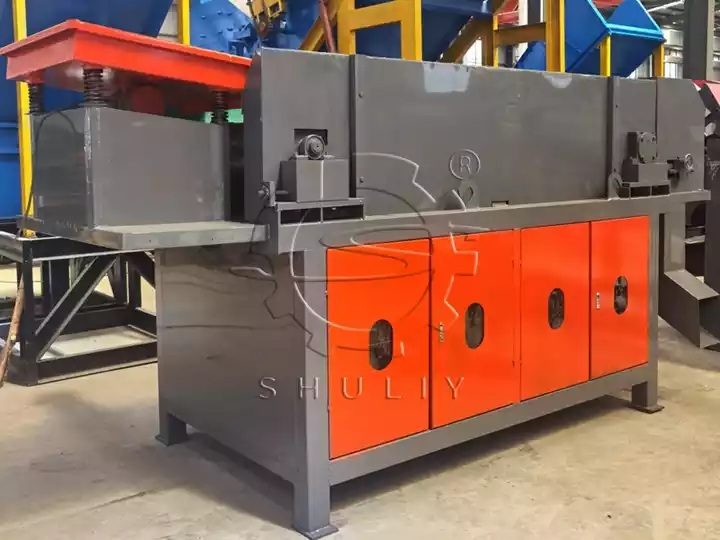
- Intelligent control system: features a touchscreen interface and variable frequency control to ensure stable operation and precise adjustment.
- One-touch start design: highly automated and easy to operate, reducing the need for manual intervention.
- Magnetic roller protection mechanism: effectively prevents the magnetic assembly from detaching during high-speed operation, ensuring equipment safety.
- Modular design: compact structure and easy installation, allowing for flexible integration with both new and existing production lines.
- Low-noise operation: precision manufacturing ensures smooth operation with minimal vibration.
Eddy current separator recycling machine Advantages
- High-efficiency sorting capability: delivers outstanding sorting results for non-ferrous metals such as copper, aluminum, and stainless steel.
- High adaptability: suitable for a wide range of complex materials and various operating conditions.
- Adjustable sorting intensity: the speed and repulsive force of the magnetic rollers are adjustable to accommodate materials of different particle sizes.
- Stable and reliable: equipped with high-quality bearings, ensuring a long service life and low maintenance costs.
- High resource recovery value: Effectively increases the recovery rate of non-ferrous metals, enhancing economic benefits.
working principle of Eddy current sorting machine
When material passes through a rapidly rotating magnetic roller, the magnetic field changes rapidly, generating eddy currents within the conductive non-ferrous metals. These eddy currents create a counter-magnetic field, causing the metal to be repelled and ejected, thereby separating it from non-conductive materials (such as plastic, glass, etc.).
By adjusting the rotational speed of the magnetic roller and the particle size of the material, efficient separation of different metals can be achieved.
specifications of Aluminum copper separator machine
| Mfano | Rotary Speed (r/min) | Belt Width (mm) | Capacity (t/h) | Nguvu (kW) | Uzito (kg) | Dimensions (mm) |
| 600 | 0-3000 | 650 | 4-6 | 4.0+0.75 | 1400 | 2980×1883×1210 |
| 800 | 0-3000 | 850 | 6-10 | 5.5+1.1 | 1800 | 2980×2033×1210 |
| 1000 | 0-3000 | 1050 | 10-12 | 7.5+1.5 | 2200 | 2980×2233×1210 |
| 1200 | 0-3000 | 1250 | 12-15 | 11+2.2 | 2400 | 2980×2433×1210 |
Maswali Yanayoulizwa Mara kwa Mara
What materials does an eddy current separator primarily sort?
It is mainly used for sorting non-ferrous metals such as copper, aluminum, and stainless steel.
Can it sort iron?
No, this equipment is not suitable for sorting ferrous metals; a magnetic separator must be used instead.
Are there any requirements regarding material particle size?
It is suitable for materials of medium particle size; the more uniform the particle size, the better the sorting results.
What is the equipment’s processing capacity?
Depending on the model, the processing capacity ranges from 4 to 15 tons per hour.
Can the equipment be customized?
Yes, we offer customized solutions based on the customer’s material and production requirements.
Can it be integrated with existing production lines?
Yes, the equipment has a flexible design and can be easily integrated into existing recycling systems.
Highly compatible eddy current separators can be easily integrated into various recycling systems, forming a complete closed-loop process with upstream crushing and downstream sorting equipment.
In particular, when used in conjunction with metal crushing and sorting production lines, they enable an integrated, automated processing workflow that spans crushing, conveying, and the fine sorting of non-ferrous metals. This significantly enhances overall recycling efficiency and resource utilization, providing enterprises with efficient, intelligent metal recycling solutions.