
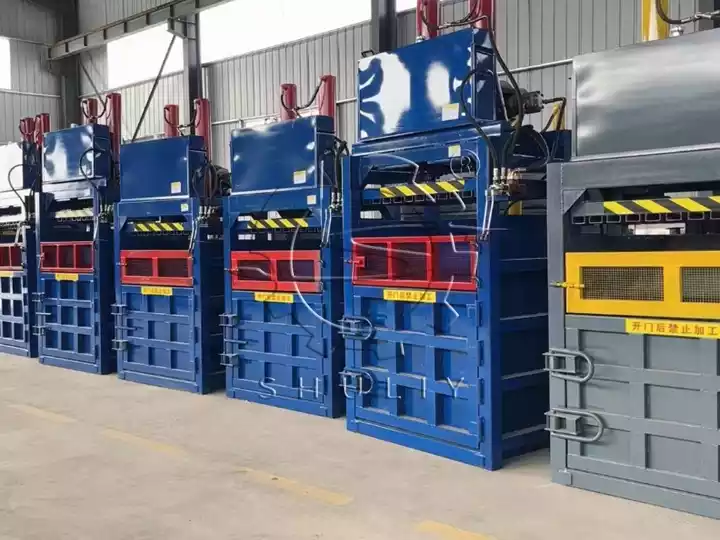
With the advancement of environmental policies and the recycling industry, small businesses increasingly require hydraulic vertical baling presses. This equipment saves storage space while enhancing recycling and transportation efficiency. So, how should small enterprises select suitable vertical balers? How can costs be controlled? This article provides a detailed analysis.
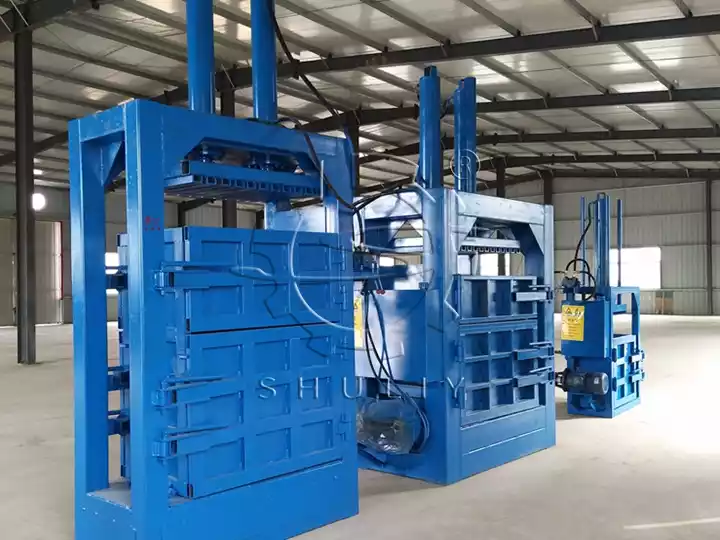
Why use a Vertical Baling Presses?
The vertical hydraulic baling press delivers powerful compression through hydraulic systems. It compacts materials into dense bales for easy stacking and transport. Key advantages include:
- High-efficiency compression: processes hundreds of kilograms to several tons of material per hour, significantly boosting waste handling efficiency.
- Space savings: compact bales reduce storage and transportation costs significantly.
- User-friendly operation: hydraulic controls and auto-reset features minimize manual labor and enhance safety.
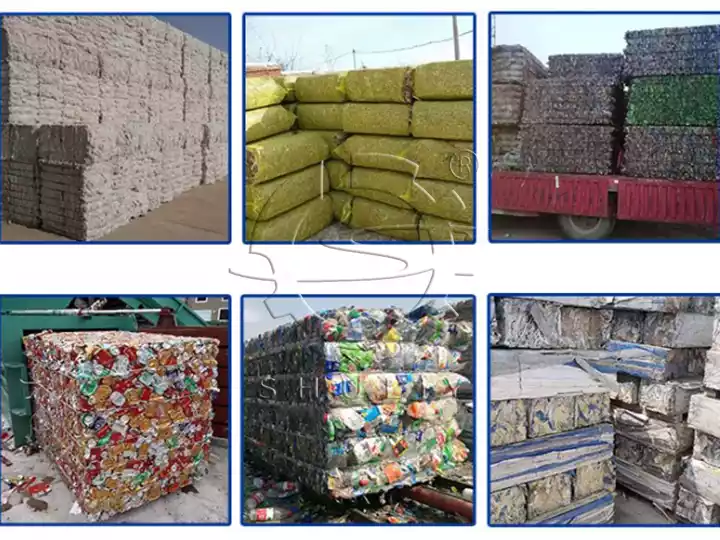
- Versatile material handling: compatible with paper, plastic bottles, film, foam, and more to meet diverse small business needs.
Investment Cost Analysis for Small Businesses
Pricing for compact vertical hydraulic balers primarily depends on model type, compression capacity, and automation level:
- Basic manual models: suitable for startups and small workshops, offering low per-unit costs typically ranging from $3,000–8,000 USD.
- Semi-automatic models: feature hydraulic auto-compression and strapping for easier operation, priced around $8,000–15,000 USD per unit.
- Fully automatic models: suitable for recycling centers or bulk waste processing enterprises, featuring automatic feeding, hydraulic control, and multi-functional baling systems, priced at $15,000 and above.
Businesses can select the most cost-effective model based on their processing volume and budget to maximize return on investment.
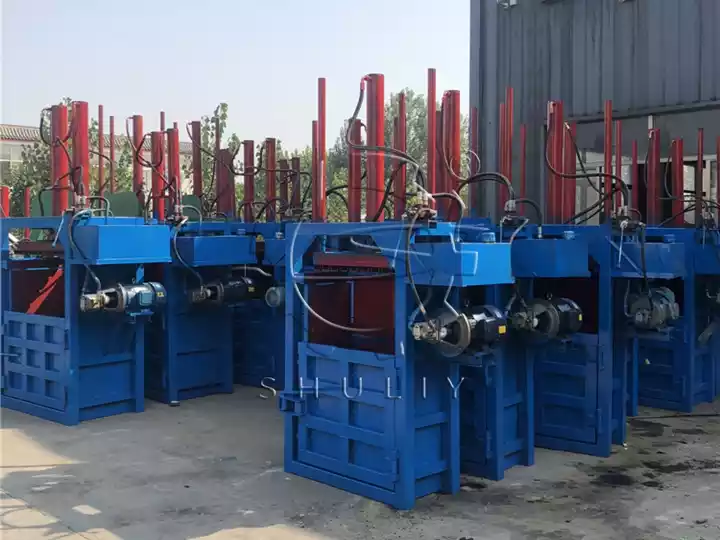
Key Factors for Small Business Selection
- Processing capacity: select equipment with appropriate tonnage based on daily waste volume to avoid overinvestment or undercapacity.
- Ease of operation: manual or semi-automatic models suit small businesses better, offering low training costs and easy maintenance.
- Durability and after-sales service: high-quality equipment uses high-strength steel and wear-resistant hydraulic systems for an extended lifespan, backed by timely support.
- Material compatibility: ensure the machine handles common waste types to enhance overall operational efficiency.
By appropriately selecting tonnage and automation levels, hydraulic vertical baling presses can help small businesses improve waste disposal efficiency. Their low investment, high efficiency, and simple operation make them an ideal choice for small enterprises in environmental recycling and waste management.